 Skip to content







Wood Slat Panels vs Fluted Panels: Which One Fits Your Interior?

Choosing a wall treatment can be surprisingly tricky.
You've probably seen beautiful interiors with vertical lines behind a TV, decorative walls framing a bed, or stylish panels that make an ordinary room feel more put together.
Two popular options worth exploring are wood slat panels and fluted panels. Both can add character to your walls, but their shapes, finishes, and overall appearance create different effects in a room.
So, which one suits your home?
Let's compare their designs, explore where each works best, and look at a few details that can help you make the right choice!
Key Takeaways
- Wood slat panels feature separate, straight lines that create a structured, linear appearance.
- Fluted panels have repeated grooves that create a softer, more sculpted surface.
- Both styles can work well in living rooms, bedrooms, entryways, and home offices.
- Panel color, spacing, lighting, and wall coverage affect the finished look.
- Your interior style, budget, and maintenance needs can help you decide which panel suits your space.
What Is the Difference Between Wood Slat Panels and Fluted Panels?
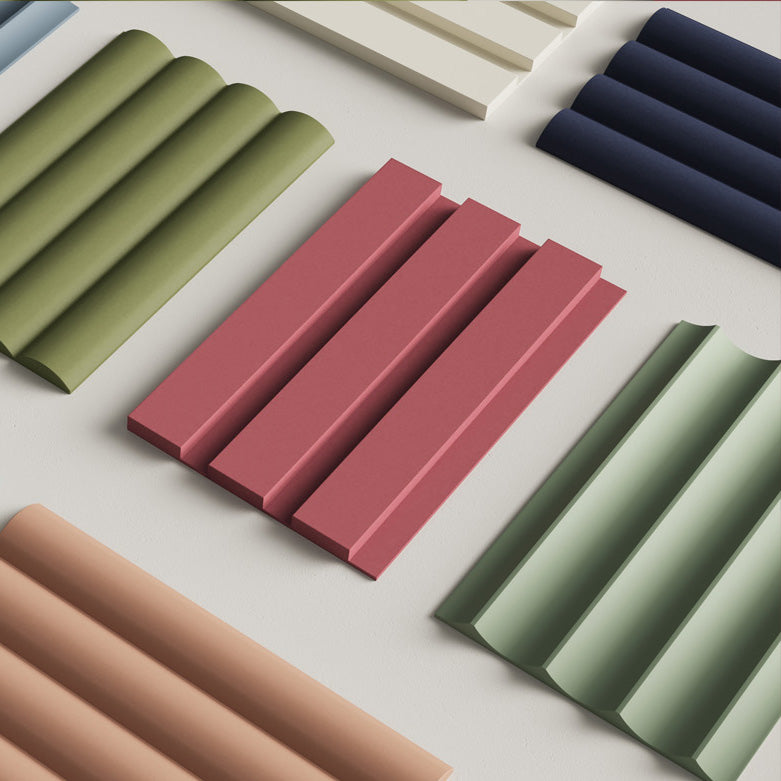
The easiest way to tell these panels apart is to look at their profiles.
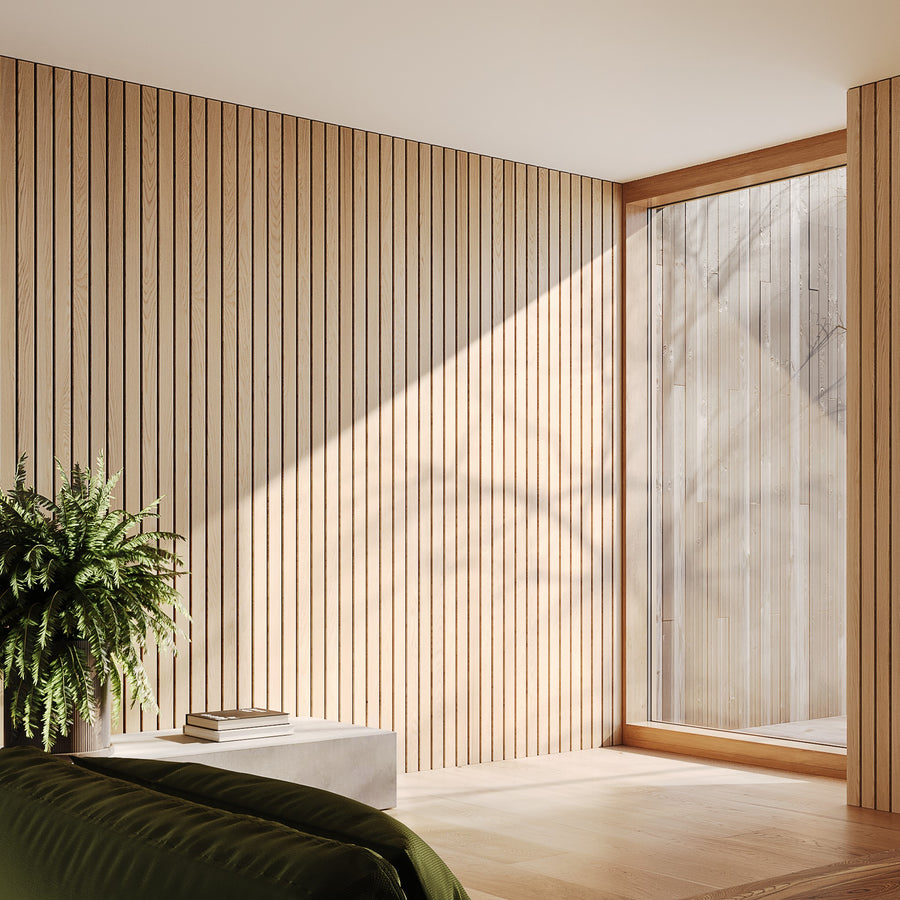
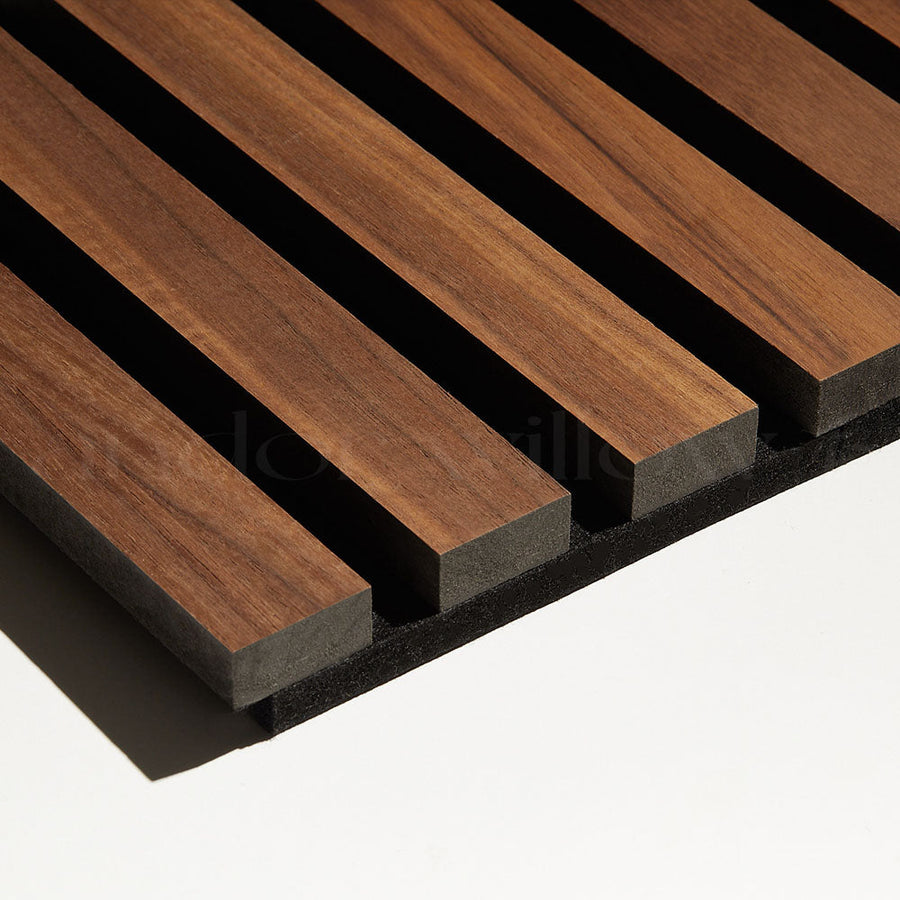
Wood slat panels feature narrow, straight strips arranged in a repeating pattern. Depending on the product, the slats may be attached to a backing or installed as individual elements. Their clean lines work well for feature walls, entertainment areas, and decorative partitions.
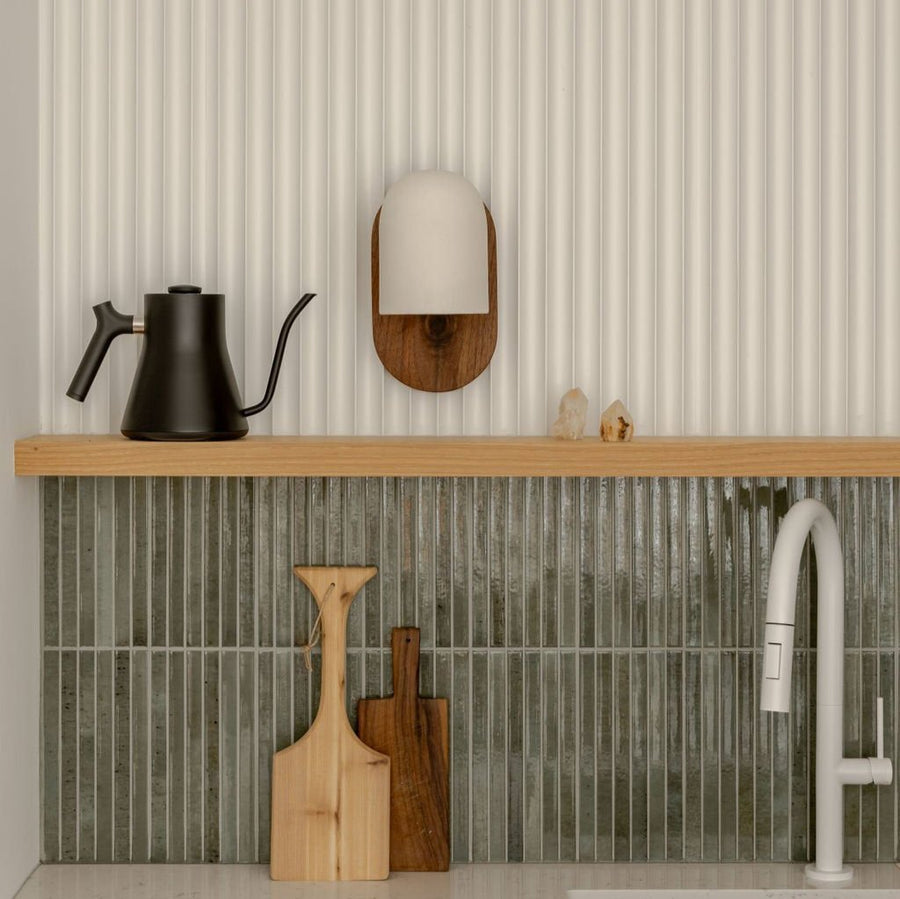
Fluted panels feature repeated grooves or channels running along the surface. These curves create a sculpted appearance that can add visual interest to a wall, ceiling, or furniture feature.
Here's a quick comparison:
| Feature | Wood Slat Panels | Fluted Panels |
|---|---|---|
| Surface pattern | Separate, straight slats | Repeated grooves or channels |
| Overall look | Structured and linear | Sculpted and flowing |
| Design options | Various slat widths, spacing, and finishes | Different groove profiles, depths, and finishes |
| Common applications | TV walls, bedroom features, and room dividers | Feature walls, headboards, and decorative accents |
| Cleaning considerations | Dust may collect between slats | Dust may collect inside grooves |
The exact appearance depends on the material and product design, so comparing samples is a good idea before making a final decision.
Wood Slat Panels Create Strong, Clean Lines
Best for: Living Rooms, Entertainment Walls, and Modern Interiors


If you like interiors with clear lines and a well-organized appearance, wood slat panels are worth considering. Their repeating vertical pattern can give a plain wall a more defined look without requiring lots of additional decoration.
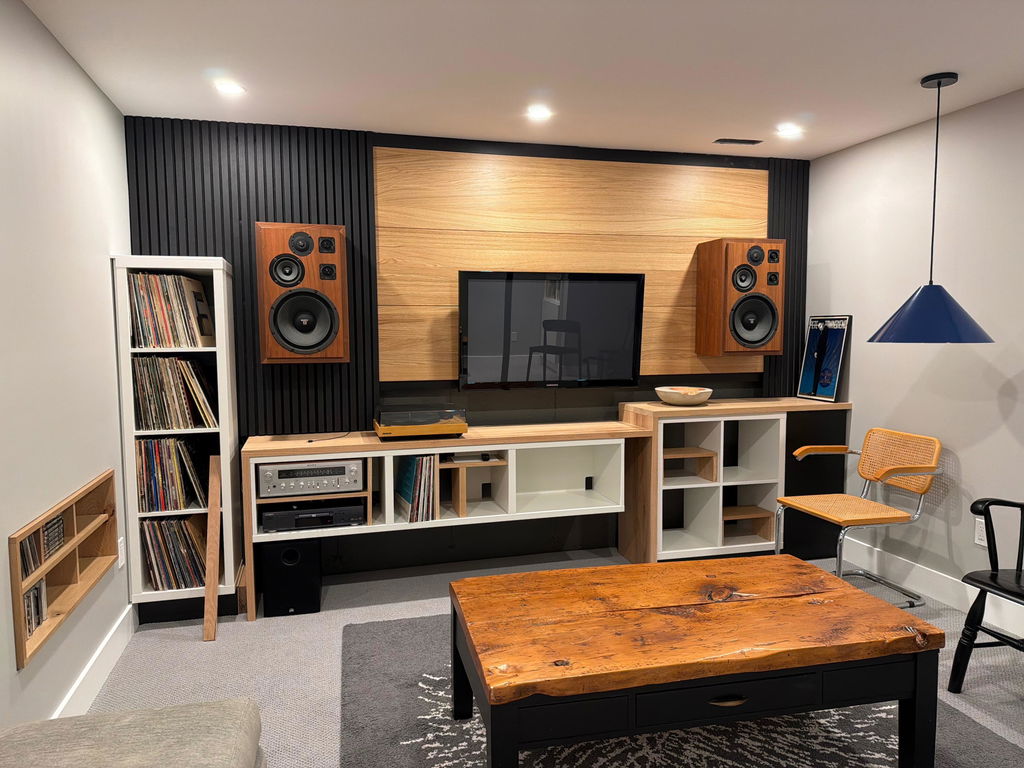
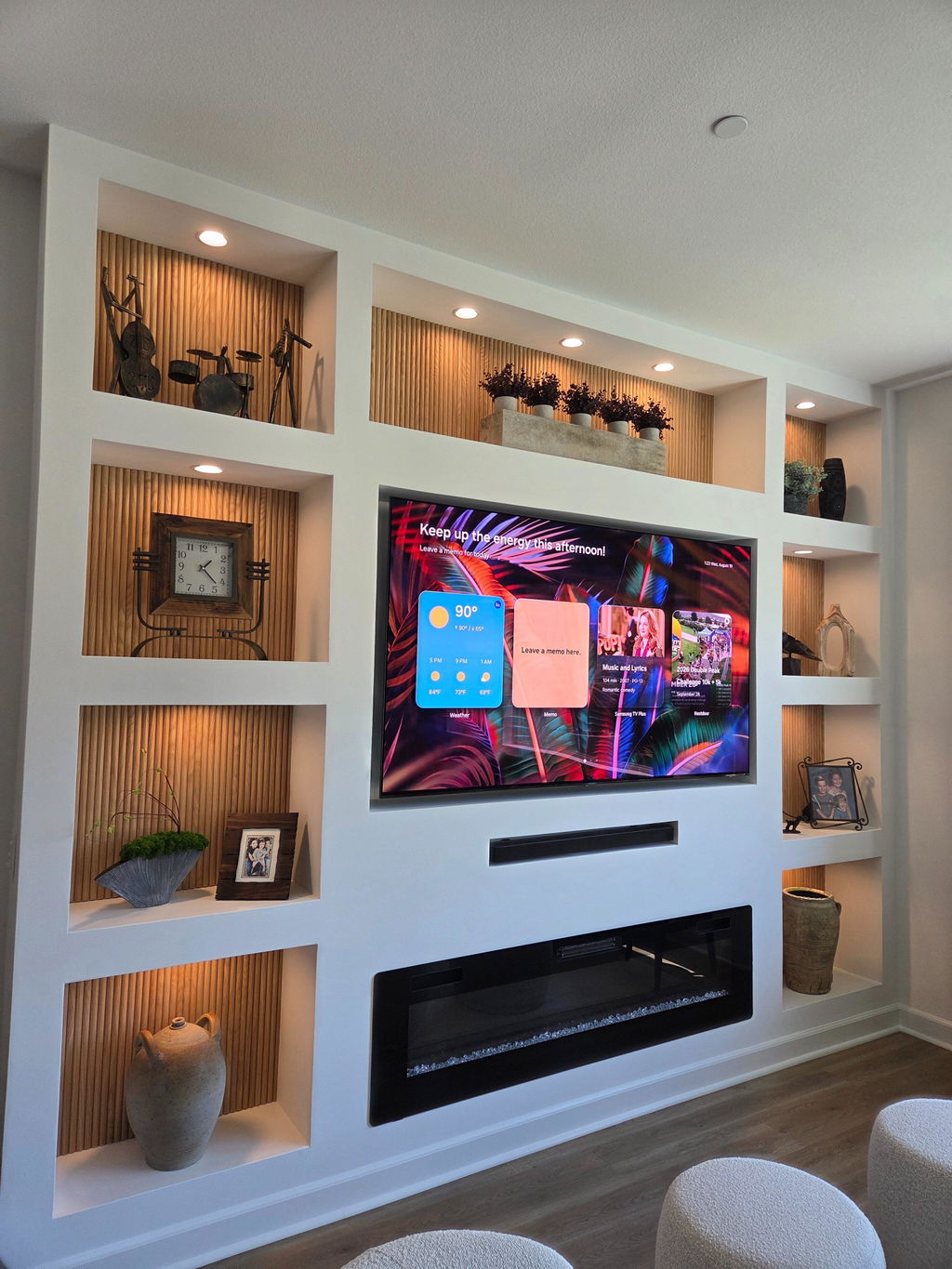
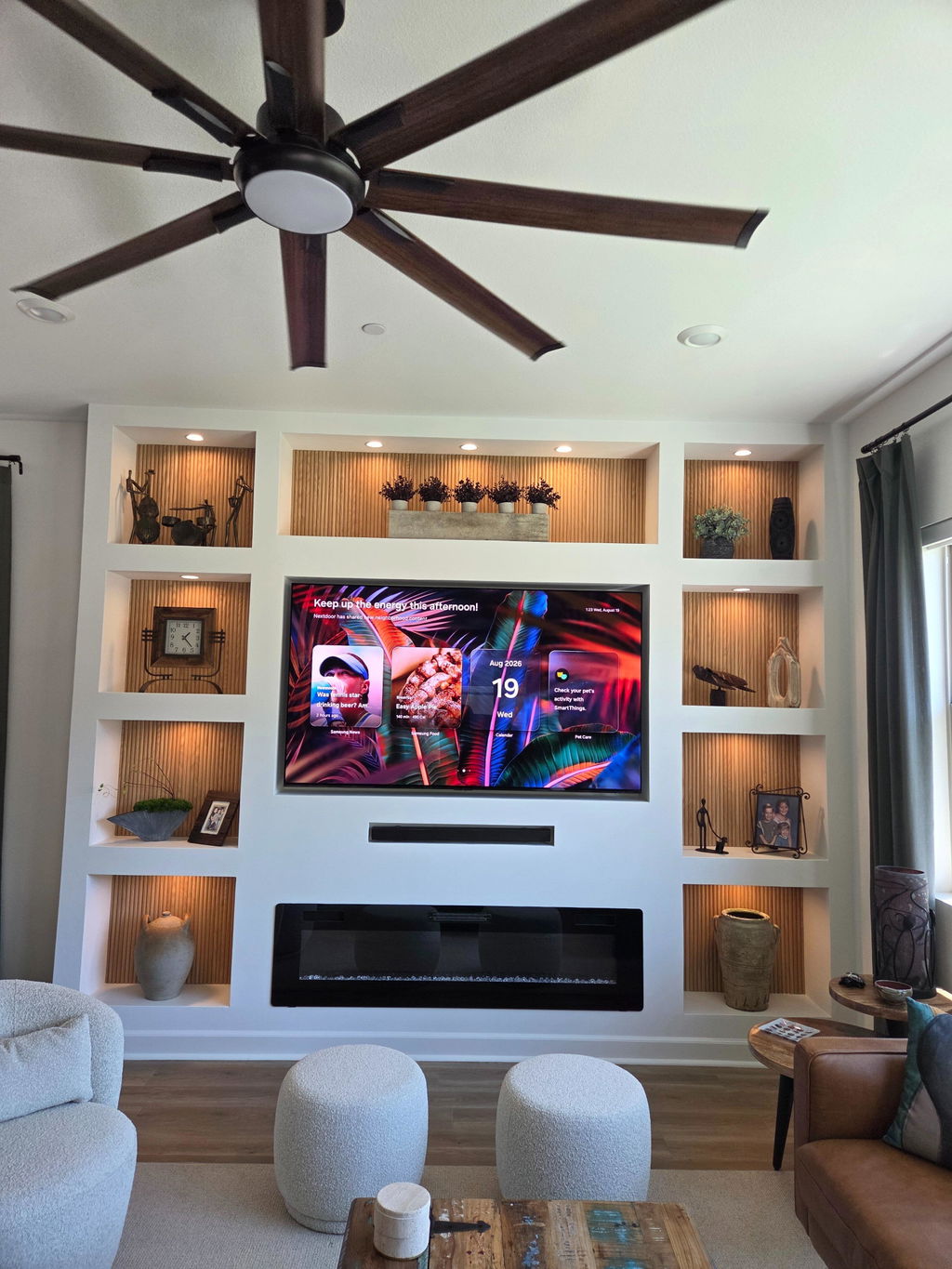
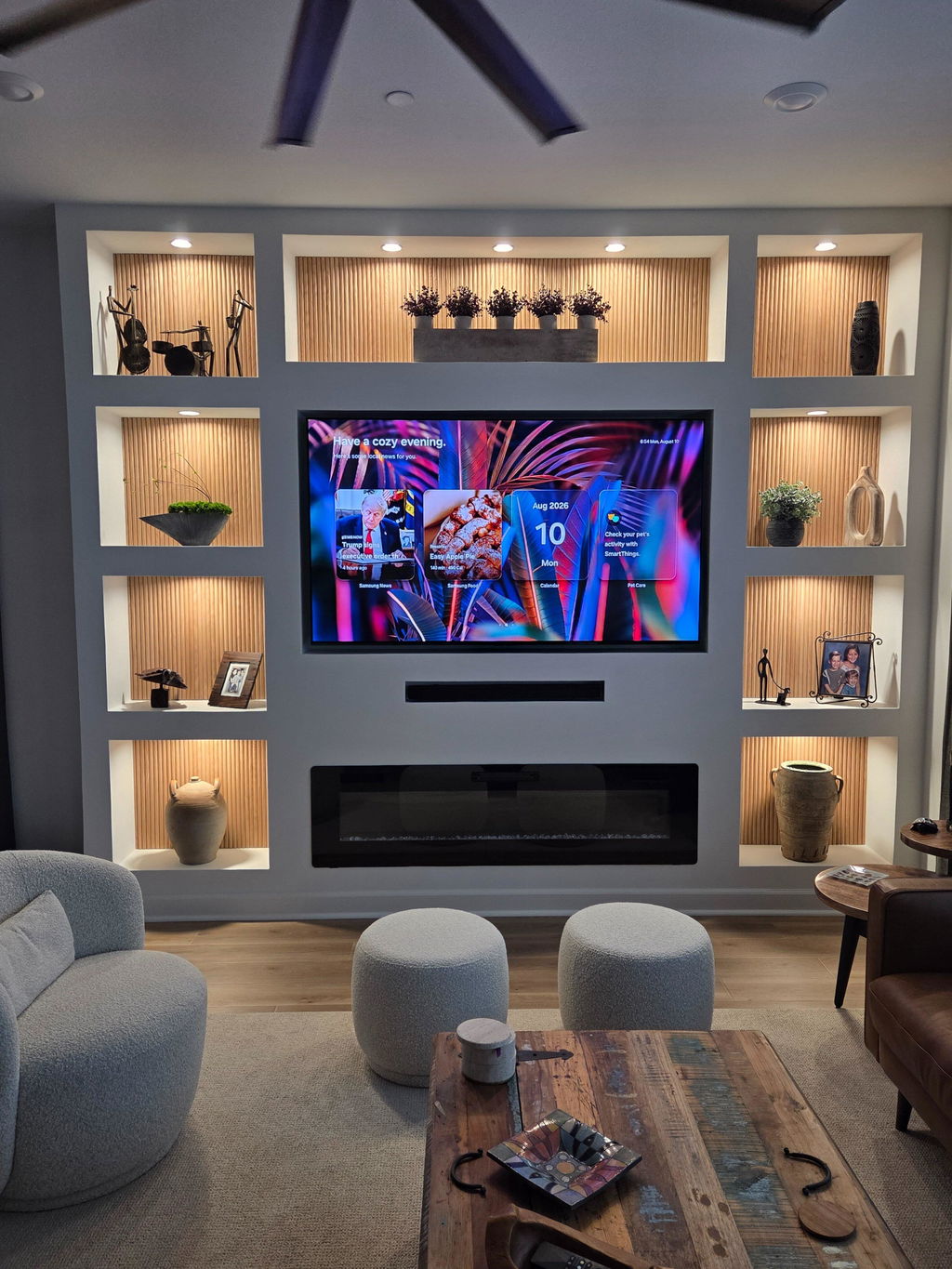
One popular application is behind a television. The slats create a backdrop that frames the screen and works well with floating cabinets, shelves, and timber furniture.
Wood slat panels also work nicely behind a sofa or along a hallway wall...
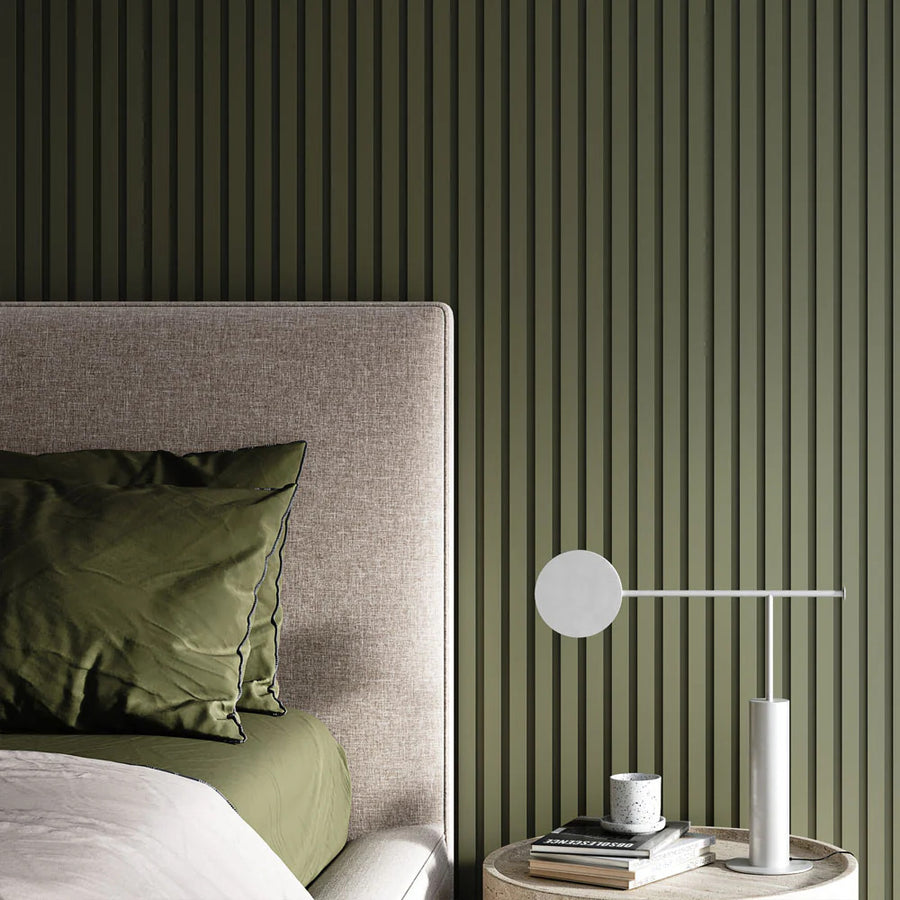
Natural wood finishes can complement neutral colors, while darker options can also create a stronger visual statement.
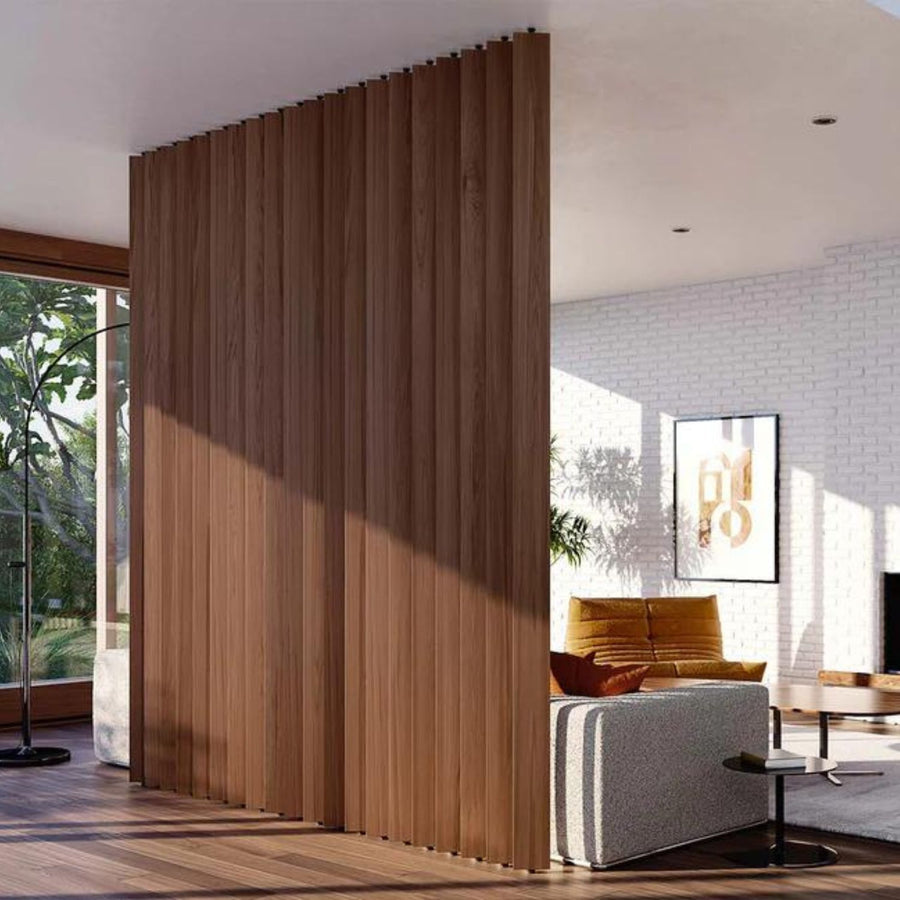
For a coordinated interior, you could repeat the same finish on a wood slat room divider. This helps connect separate areas of an open-plan home through a consistent design detail.
Fluted Panels Add a Sculpted Look
Best for: Bedrooms, Accent Walls, and Decorative Features


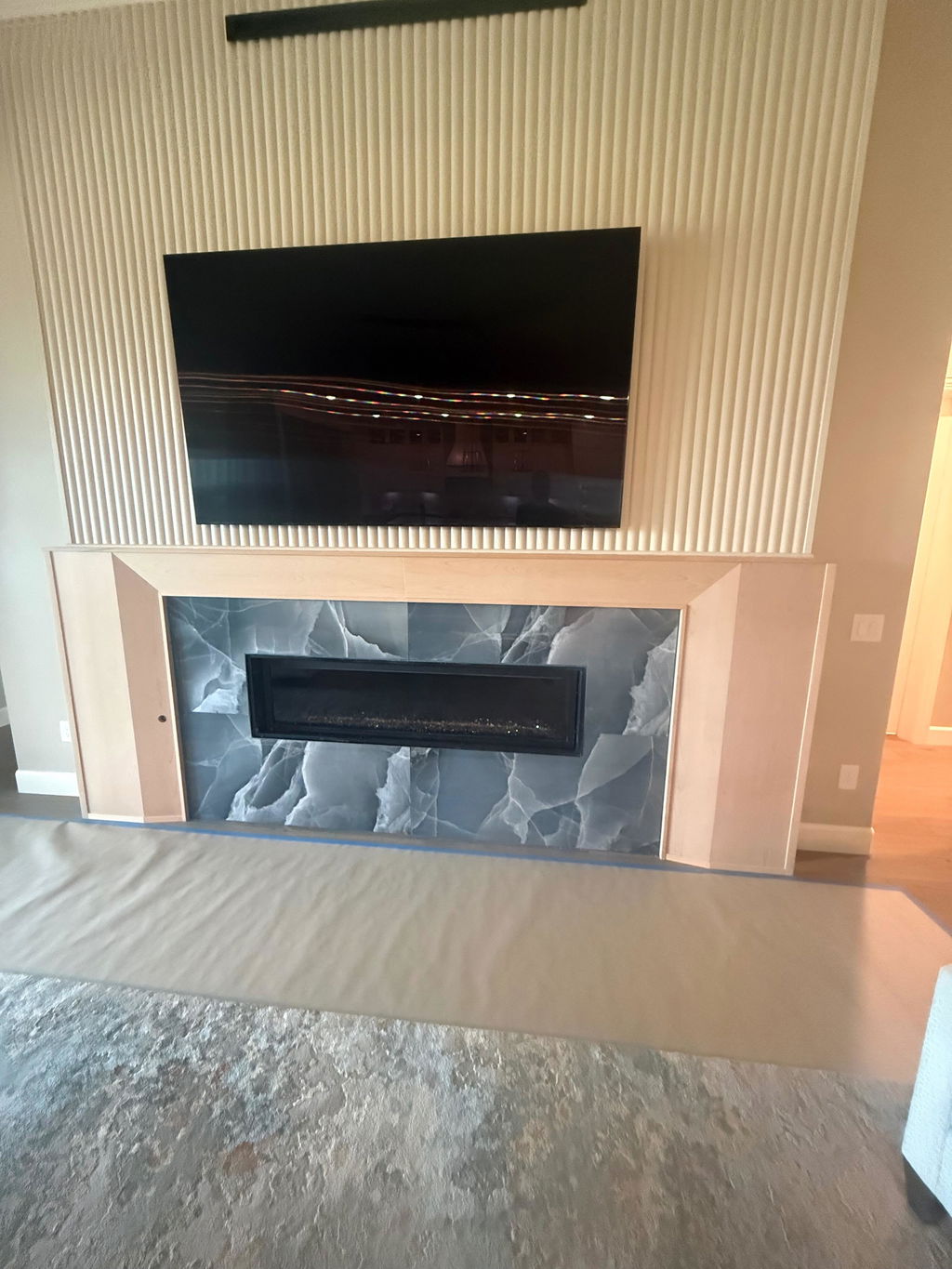
Fluted panels have a different visual character. Their grooves create a repeating pattern that catches light along the surface, giving the wall a more sculpted appearance.
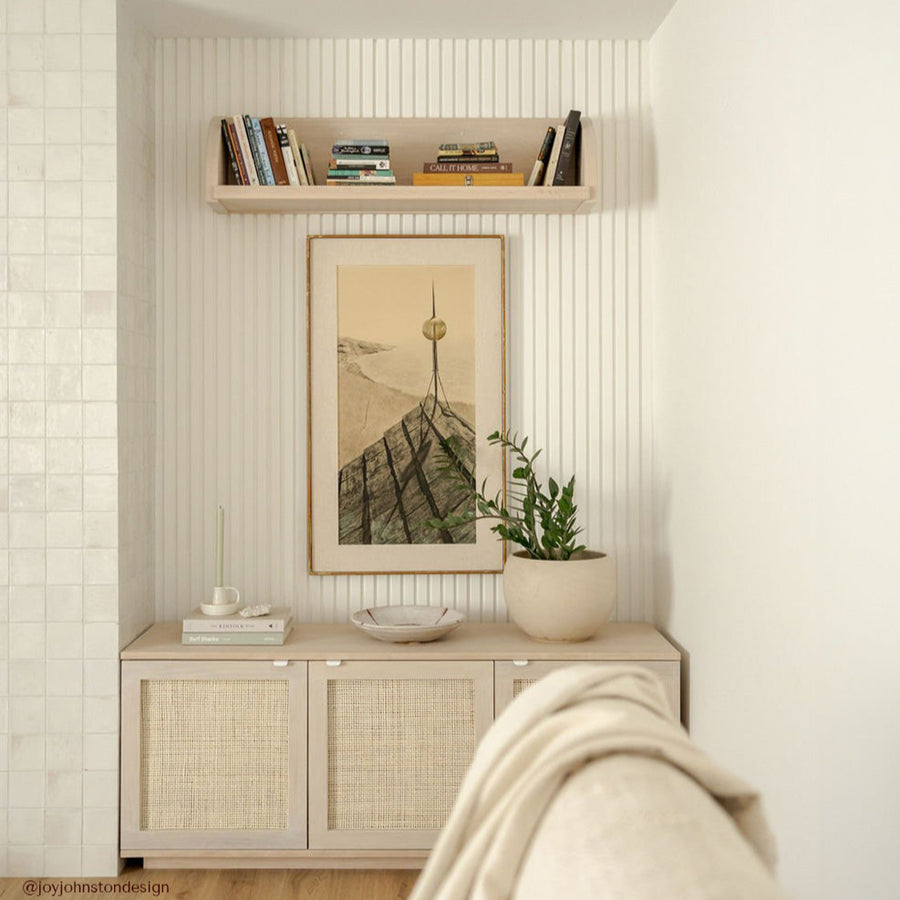
They're especially appealing behind a bed, where the paneling can frame the headboard and make the sleeping area feel more complete. You can also use them behind a console table or in an entryway that needs a little more personality.
Play With Light and Shadow
Lighting can make a noticeable difference with fluted panels. A nearby window or carefully positioned wall light can highlight the grooves and create subtle shadows throughout the day.
For a bedroom, pair the panels with simple bedding, understated bedside tables, and soft lighting. In a living room, they can complement rounded furniture, curved decor, and other pieces with softer shapes.
Which Panel Style Works Better for Your Living Room?
Your living room gives you plenty of options, especially if you're planning a feature wall.
Wood slat panels are a natural choice for an entertainment wall or the area behind a sofa. Their linear pattern can frame the furniture and complement rectangular cabinets, shelving, and modern media consoles.
Fluted panels can work particularly well behind a console table or on a wall that needs a decorative focal point. Their grooves introduce a different profile that can complement rounded furniture and softer shapes.
Before choosing, take a look at the furniture you already have. If the room features strong horizontal and vertical lines, wood slat panels can reinforce that look. If you'd like to introduce a more sculpted surface, fluted panels may be worth exploring.
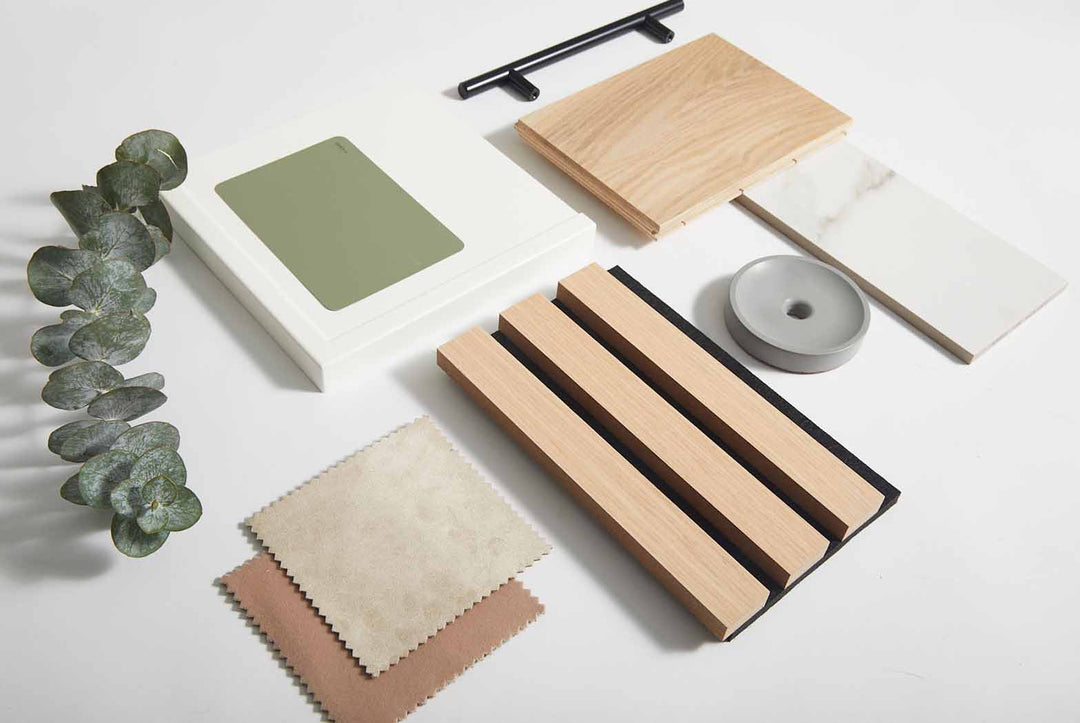
A simple way to narrow your options is to request samples and compare them against your flooring, furniture, and wall colors.
Give Your Bedroom a More Finished Look
Bedrooms are a great place to experiment with decorative wall panels because the bed naturally draws attention to one main area.
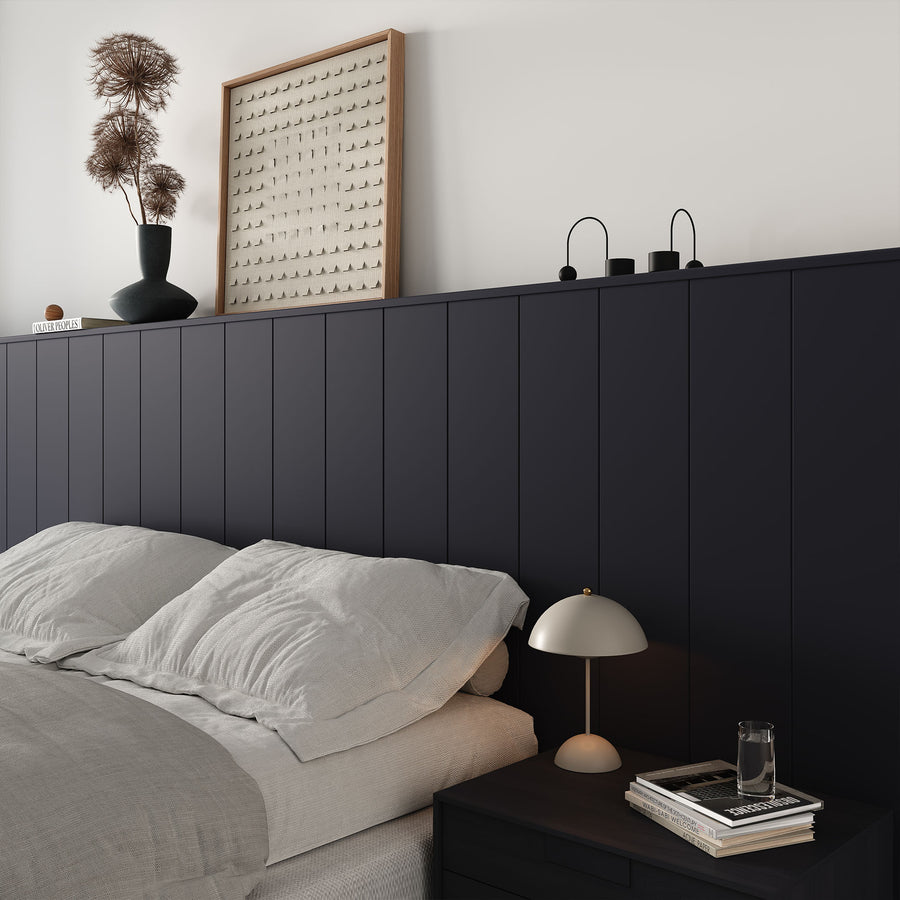
Wood slat panels can create a defined backdrop behind the headboard. A natural finish works well with timber furniture and neutral bedding, while a darker shade can add contrast to lighter walls.
Fluted panels are another strong option for this area. Their grooves create a decorative surface that can make the headboard wall feel more detailed without adding lots of accessories.
You can also consider the width of the paneling in relation to the bed. A feature that extends across the entire wall creates a different effect from one that covers only the area behind the headboard.
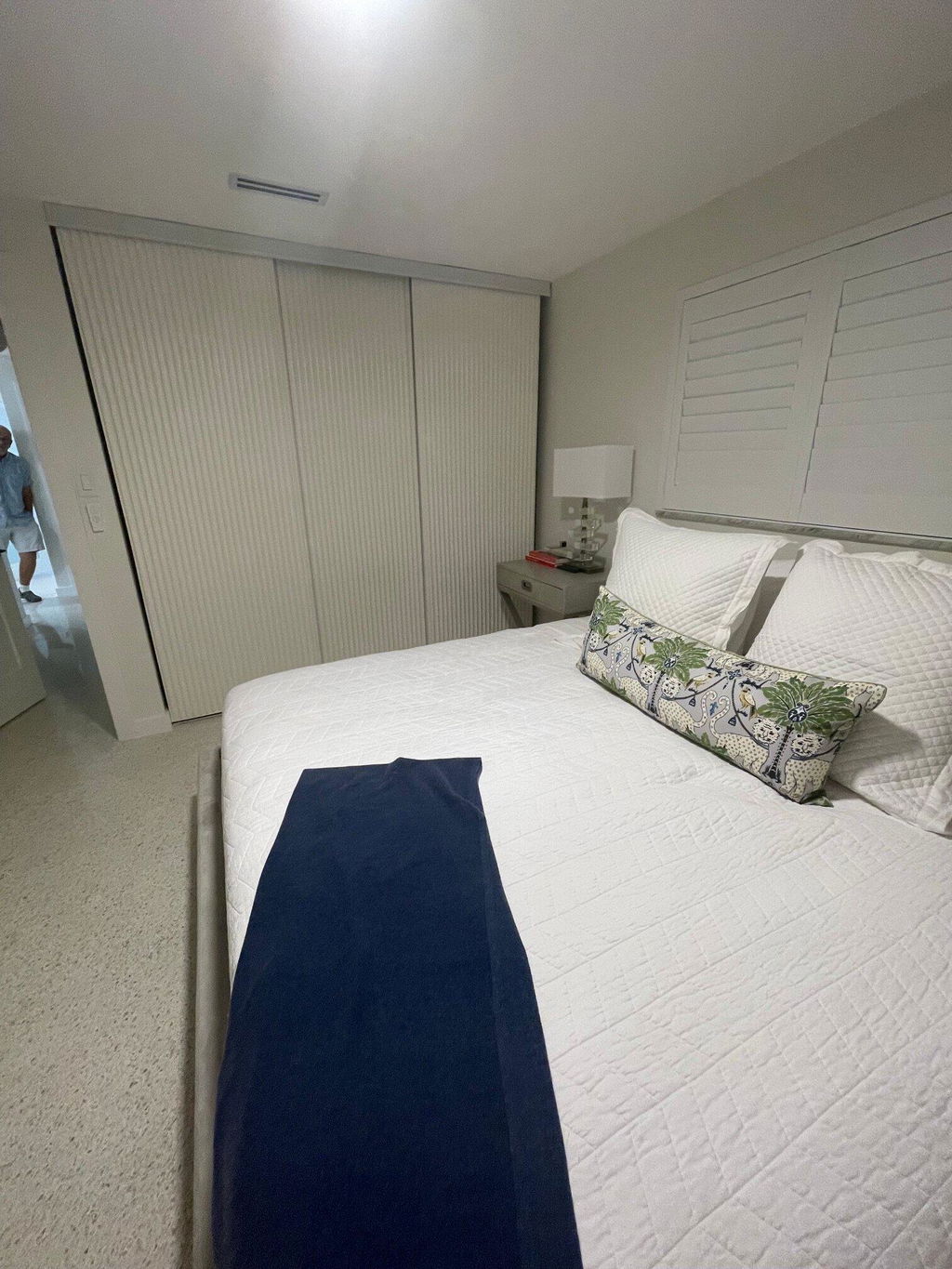
If you're planning to use both styles in the same bedroom, give each one a clear purpose. For example, use wood slat panels on a wardrobe feature and fluted panels behind the bed, with complementary finishes tying the room together.
How Panel Profiles Affect the Overall Look
The profile is one of the most important details to compare before purchasing.
Wood slat panels typically create a pattern of straight lines, with the spacing between slats influencing how open or dense the design appears. Wider slats can produce a bolder pattern, while narrower ones create a finer rhythm across the wall.
Fluted panels use grooves to create their signature appearance. Shallow grooves can give the surface a subtle decorative detail, while deeper profiles can produce more noticeable shadows.
| Design Detail | Wood Slat Panels | Fluted Panels |
|---|---|---|
| Narrower profiles | Create a finer, more detailed linear pattern | Produce a delicate, closely spaced groove pattern |
| Wider profiles | Give the wall a bolder, more defined rhythm | Create broader sculpted channels |
| Dark finishes | Emphasize the repeating lines | Highlight shadows within the grooves |
| Light finishes | Keep the linear pattern visually subtle | Make the sculpted surface feel light and understated |
These are general design effects. The final result will depend on the specific product, lighting, color, and installation.
Which Panels are Easier to Maintain?

Both wood slat panels and fluted panels need occasional dusting.
Their surface profiles can collect dust in the gaps or grooves, so the cleaning method matters.
For regular care, use a soft cloth, duster, or suitable vacuum attachment. If the manufacturer's instructions allow it, a slightly damp cloth can help remove marks from compatible finishes.
Keep these tips in mind:
- Check the product's cleaning instructions before using any cleaning solution.
- Avoid soaking wood-based panels or allowing moisture to sit on the surface.
- Use a soft brush to reach dust between slats or inside grooves.
- Test cleaning products on an inconspicuous area first.
- Avoid abrasive pads that could scratch or damage the finish.
If you're installing panels in a kitchen, bathroom, or another moisture-prone area, confirm that the specific material and finish are suitable for that environment.
Can You Combine Wood Slat Panels and Fluted Panels?
Absolutely! Combining these styles can create an interesting interior when each panel has a clear role.
For example, wood slat panels could frame a television wall while fluted panels add detail to a nearby section. You could also use slat panels in a home office and fluted panels in the adjoining living area.
The key is to coordinate the finishes and proportions. Similar wood tones or complementary colors can help the panels work together, even though their surface patterns are different.
How to Mix Both Styles Without Overdoing It
Start by choosing which wall or area should get the most attention. If wood slat panels are the main feature behind your TV, use fluted panels on a smaller wall section or around a console to introduce another profile.
You can also keep the materials in a similar color family. Natural wood tones paired with neutral fluted panels can create a coordinated look, while contrasting finishes can make each surface stand out.
Here's a good example...

Other decorative treatments, such as tongue and groove panels or paintable panels, can work in the same interior, too. Just be selective about how many patterns you use in one room.
A little variety can make an interior feel thoughtfully designed. Too many competing features, however, can make it harder for any single detail to stand out.
What Should You Check Before Buying?
Once you've settled on a style, look closely at the product specifications. Panels that look similar in photos may differ in material, thickness, finish, dimensions, and installation requirements.
Use this checklist when comparing your options:
- Material: Confirm whether the panel is made from solid wood, MDF, or another material.
- Dimensions: Check the panel size, thickness, slat width, and groove profile.
- Finish: Determine whether the surface is natural, laminated, painted, or designed for additional finishing.
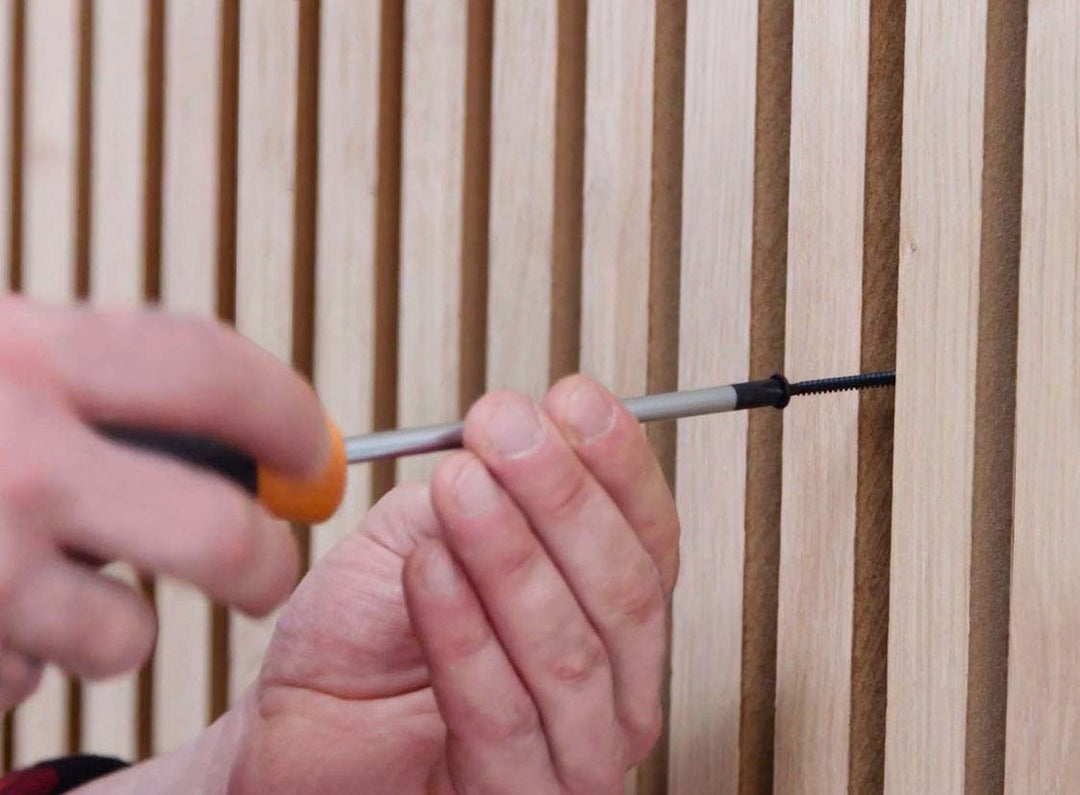
- Installation: Review the recommended fixing method and any wall preparation needed.
- Room suitability: Confirm that the panel is appropriate for the intended location.
- Maintenance: Understand how to clean and care for the chosen finish.
- Quantity: Measure your wall and account for cuts, corners, outlets, and other obstacles.
It's also worth checking samples in the room where they'll be installed. Lighting can change how a finish looks, and a color that seems perfect on a screen may appear different in person...
So, Which One Fits Your Interior?
Wood slat panels and fluted panels can both make an ordinary wall more interesting. Your decision comes down to the visual effect you want and how the panel will work with your existing interior.
Wood slat panels are a great option for structured feature walls, entertainment areas, and interiors that use strong linear details.
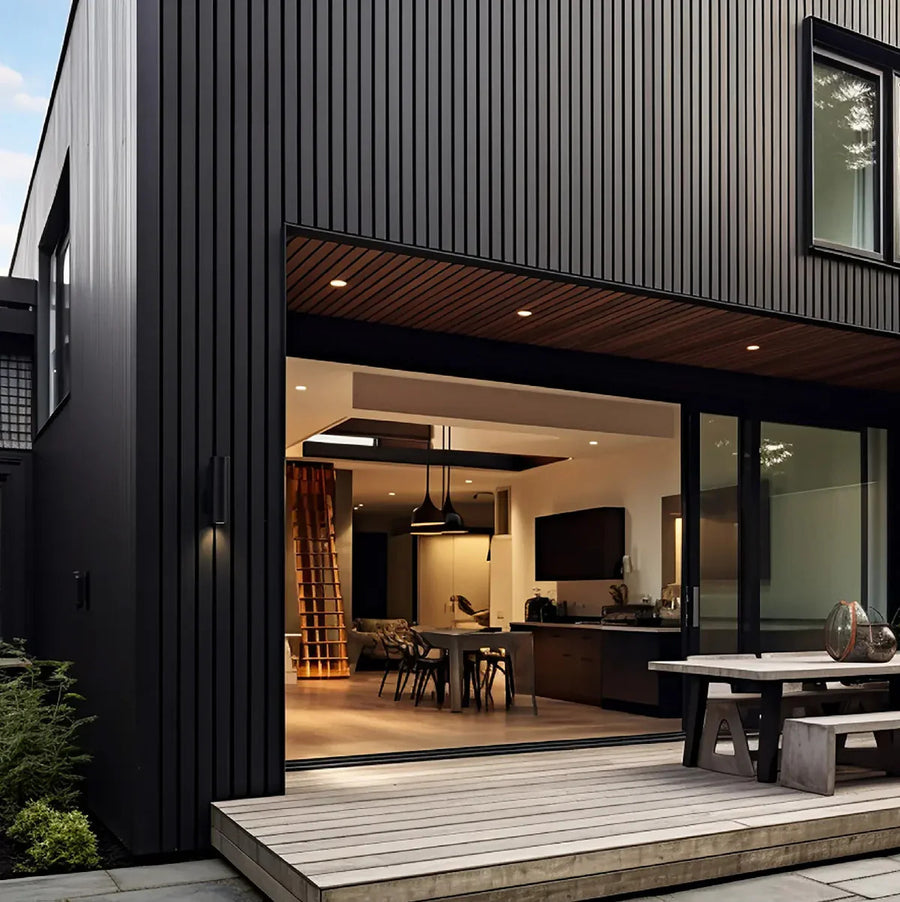
Check out these exterior wood slat panels...


Fluted panels are worth considering when you want a sculpted surface that adds detail through grooves and shadows.

Think about your furniture, lighting, wall size, and preferred finish before making a decision.
You can also explore complementary options such as wood slat room dividers, tongue and groove panels, and paintable panels to create a consistent look throughout your home.
Take your time comparing profiles and samples. With the right choice, your wall treatment can feel like a natural part of the room rather than an afterthought!
Frequently Asked Questions
Are wood slat panels better than fluted panels?
Neither is automatically better. Wood slat panels suit linear designs and feature walls, while fluted panels offer a sculpted surface with repeating grooves. The right choice depends on your preferred style and application.
Do wood slat panels make a room smaller?
They can create a strong visual feature, particularly when used across a large wall or in a dark finish. Consider the room's lighting, wall coverage, and slat spacing when planning the design.
Are fluted panels suitable for bedrooms?
Yes. They work well behind headboards and on accent walls. Their grooves create a decorative surface that can complement simple furniture and soft lighting.
Can I use wood slat panels and fluted panels in the same room?
Yes. Try giving each style a separate purpose, such as using slat panels behind a television and fluted panels on a nearby accent wall. Coordinating their colors and finishes helps create a balanced look.
Which panels are easier to clean?
Both require routine dusting, and the grooves or gaps may collect dust. Follow the manufacturer's cleaning instructions and choose a suitable soft brush or cloth for the surface.
How do I choose the right panel color?
Consider your flooring, furniture, lighting, and existing wall colors. Comparing samples in the room can help you see how different finishes look in natural and artificial light.



Leave a comment